Activated Charcoal Teeth Whitening Products: A Guide for Your Brand

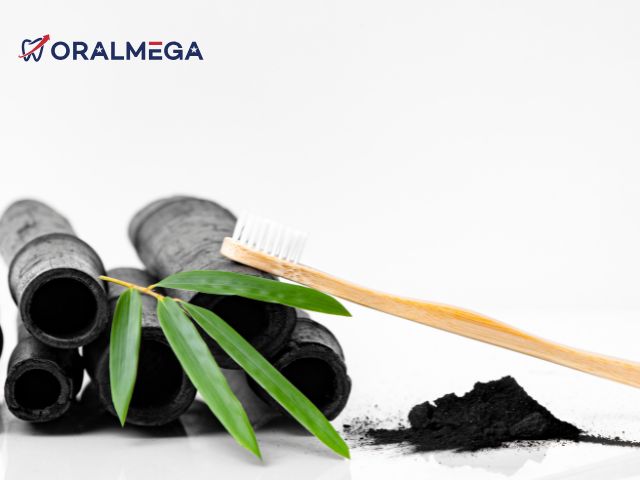
Activated charcoal remains a recognizable ingredient in oral care and may help remove certain surface stains caused by coffee, tea, tobacco, or wine. It is commonly made by heating carbon-rich raw materials, such as coconut shells, wood, or other plant-based materials, at very high temperatures. It creates a highly porous, adsorbent structure that helps remove superficial stains.
In dental products, activated charcoal is usually incorporated within a toothpaste or tooth powder. It may contribute to stain removal through physical cleaning and may also be used for its distinctive visual identity.
How Do Activated-Charcoal Products Whiten Teeth?
Activated charcoal teeth-whitening products may help remove extrinsic stains caused by coffee, tea, tobacco, red wine, and highly pigmented foods. Activated charcoal may be part of a formula designed for this purpose. However, stain removal depends on the complete formulation, brushing habits, particle characteristics, and the type and extent of staining.
Different Types of Activated-Charcoal Teeth-Whitening Products Available Today
Businesses most commonly encounter activated charcoal in two oral-care formats:
Charcoal Tooth Powder
Charcoal tooth powders typically offer the most dramatic visual experience: a deep-black powder, a visibly different brushing routine, and highly shareable product demonstrations. They can suit brands seeking a bold, natural-looking, or novelty-led addition to their range.
Charcoal Toothpaste
Charcoal toothpaste is a more familiar daily-use format. It can be formulated with other oral-care ingredients intended to support plaque removal or fresh breath.
Before you opt for any product, it should be evaluated as a complete system: the active and functional ingredients, abrasivity, fluoride content where relevant, manufacturing controls, packaging, and the claims the business plans to make.
Why Activated Charcoal Still Appeals to Brands?
The trend has real commercial appeal, even after several years of entering the market.
- Distinctive Shelf Presence: The black formulation stands out online, in retail, and in product photography.
- Natural-Positioning Potential: Charcoal can fit brands that position themselves as natural teeth-cleaning alternatives.
- Social-Media-Friendly Demonstrations: The contrast between using black powder on teeth and showcasing a clean-looking finish can make for memorable short-form content.
- Complementary Product Potential: It may work best as an occasional stain-removal or novelty product alongside more established whitening options, rather than as the brand’s sole whitening solution.
What Businesses Should Evaluate Before Launching Their Brand?
Before adding an activated charcoal product to a private-label or custom oral-care range, assess the following factors.
Intended Customer and Product Positioning
Define who the product is for and what role it will play. Is it a natural-looking range extension, a retail impulse product, an occasional-use stain-removal option, or a core toothpaste? The answer should guide the formula, packaging, price point, and claims.
Ingredient Source and Complete Formulation
Confirm the grade, source, specifications, and supplier documentation for the activated charcoal. Then evaluate the complete formula because different ingredients will influence the product’s safety, experience, and claim potential.
Abrasivity and Product-Specific Safety Testing
Ask how the finished formula has been assessed for abrasivity and compatibility with intended use. Do not rely on a generic statement that charcoal is “gentle” or “natural.” The finished product and recommended use frequency are what matter.
Stability and Microbiological Testing
Oral-care products need appropriate stability and microbiological testing to support shelf life and product safety. This is especially relevant when a formula contains water, botanical ingredients, or a packaging format that could introduce contamination risks.
Flavor, Texture, and Ease of Rinsing
Consumer experience can decide whether a product is reordered. Test taste, mouthfeel, foaming level, residue, ease of rinsing, and whether black pigment is difficult to remove from sinks, toothbrushes, or packaging.
Packaging Cleanliness and Leakage Control
Your product can stand out when the packaging quality is exceptional. Select containers, closures, seals, and filling processes that reduce leakage, mess, staining, and transit damage. Clear usage instructions can reduce avoidable customer complaints.
Instructions and Warnings
Give clear directions on the amount, brushing method, recommended frequency, and whether the product is intended to complement rather than replace daily toothpaste. Include suitable precautions for children, people with sensitive teeth, users with restorations, and anyone with an existing dental concern, based on the final product and applicable rules.
Supported Whitening Claims
Claims should match the evidence available for the exact formula. “Helps remove surface stains” may be more defensible than broad claims. Avoid vague claims such as “detoxifies teeth” unless they have a clear, lawful, and scientifically supportable meaning.
Minimum Order Quantity and Customization
Commercial fit matters alongside product performance. Review the minimum order quantity, lead time, tube or jar options, label customization, carton requirements, and whether the manufacturer can support future scaling.
Manufacturer Quality Systems
Choose an ISO-certified manufacturer with documented quality systems, traceable ingredient sourcing, batch controls, and relevant testing capabilities. Confirm that product labeling, ingredient declarations, claims, warnings, and notifications meet the requirements of every intended market. Regulations differ by country, and the finished product’s classification can depend on both its formula and the claims made for it.
Final Verdict: Is Activated Charcoal Worth it?
Activated charcoal can support a differentiated oral-care range, particularly when customers are interested in distinctive or naturally positioned products. However, businesses should treat it primarily as a surface-stain and product-positioning ingredient, not as a substitute for proven whitening agents.
The decision to launch should depend on product-specific formula testing, product claims, customer demand, and fit with the wider product range.
When it is developed responsibly and marketed with realistic expectations, activated charcoal can be a useful complementary product.